Before: A jumble of mossy rocks
In several places on the property, it is obvious that something used to be there. Mounds of cut stones lie where buildings and walls used to stand. Broken glass, ceramics and coal mark old dump sites. Raised ground is remnant of long forgotten roads. Ditches reveal old wells and broken clay drainage tile. Nothing excites me more, as a one-time archaeologist, than a little exploring to dig up the past. For safety and the protection of expensive farm equipment, it is also good to know where these piles and holes are located and what lies beneath.

We have matched some rubble piles to historic photos and maps, but others are a mystery. A jumble of rocks in front of the barn had me baffled. So, I took a shovel to it. I discovered a 15×4 foot retaining wall. Years of erosion and tree growth had toppled and covered it. Being in a fix-it mood, and highly caffeinated that morning, I decided to rebuild it with the help of my brother-in-law.

It was much easier than rebuilding the old fieldstone wall that we fixed earlier in the year. At least these stones were in some kind of order. The key to rebuilding a retaining wall without mortar is to have a solid foundation and to lean the wall slightly back against the higher ground for strength. We pulled out the stones, staked out the area and evened out the foundation. Then, we stacked layers of interlocking flat stones row by row. Last, we packed the soil down behind it. My wife even planted some spring daffodils around. Good as new!
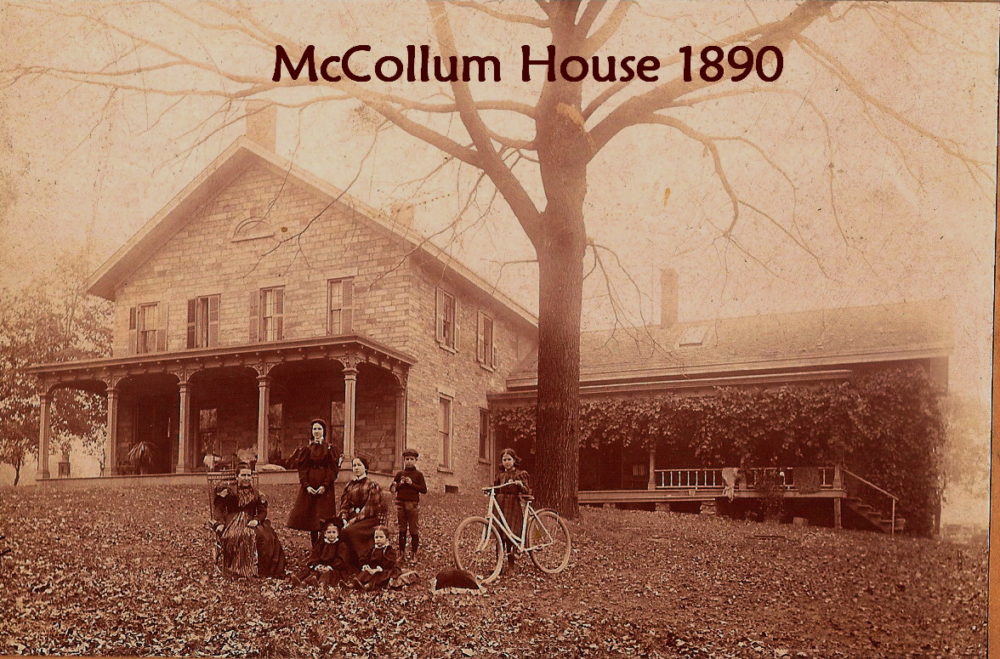
Gradually restoring the farm to how it used to be is challenging, but also a lot of fun. When we don’t have old photos to go by, we’re stuck with reasoning things out. What was this pile of rocks? What had that been? Sometimes, it is just a pile of rocks. But sometimes it is another trace of the farm’s long history.

After: A great-looking retaining wall!

 Like a dentist with a super-charged water pick, I blasted every nook and cranny, peeling layers of slime off the stones. Three hours and two soaking feet later, the walkways in the front were clean and several shades lighter. This also allowed the ornate stonework on the facades to stand out once again.
 An invoice for seeds dated February 1883 from James Vick (of Rochester, NY) show what my family planned to plant and sell that year. It also gives a hint at what grew best on the farm and what produce was in highest demand during that time. Beans, peas, potatoes, cabbages and onions were among the many vegetables ordered. Near the bottom, you’ll see an order for a plant called Salsify, an oyster-flavored root vegetable. I guess our tastes have changed.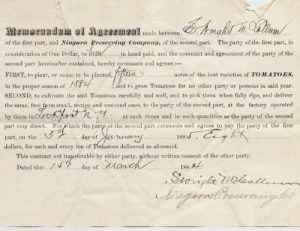



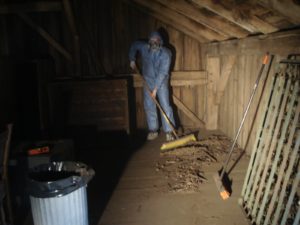
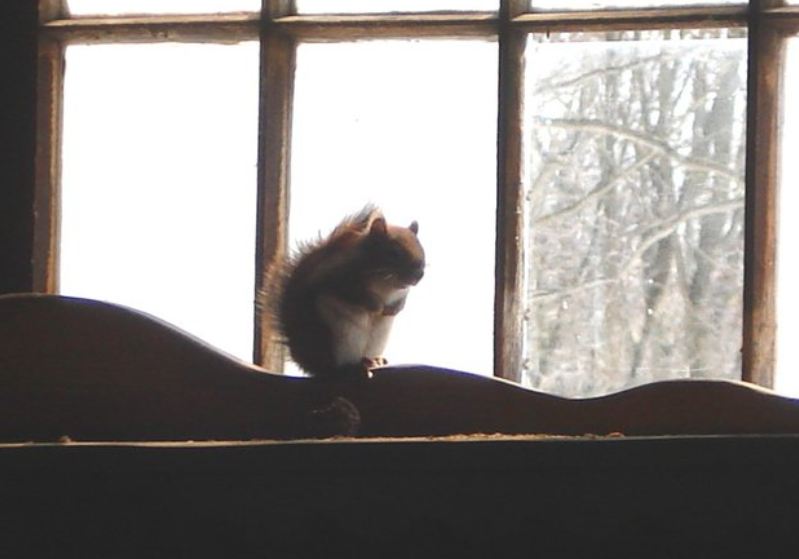
 The problem is that we cannot use it for farm jobs because it is filled with generations of old stuff – broken furniture, lead windows, rusted kitchen utensils, old books, photos, trunks of molded clothing. It has gathered about 80 years’ of dust and squirrel nests. We’re pretty sure it has become New York’s largest squirrel condominium. To be able to use the space, we have to clean and organize it and perhaps evict some angry squirrels.